How Overland Park's Summer Heat Affects Your Pool Chemistry (2026 Guide)
Overland Park, KS, pool owners know that summer is peak swim season, but it can also be the hardest time to manage swimming pool maintenance. Kansas summers bring intense UV radiation, triple-digit heat indexes, and afternoon thunderstorms that all work against your water chemistry at once. This guide covers what happens to your pool water when temperatures spike and what you can do to stay ahead of it.
How Overland Park's Summer Heat Disrupts Pool Chemistry
Summer heat directly damages pool chemistry. When air temperatures climb into the upper 90s, water temperatures follow. Warm water speeds up chlorine breakdown, meaning the same dose that kept your pool balanced in May may do very little by July.
High UV index days also accelerate chlorine burn-off. Without a stabilizer like cyanuric acid to protect your chlorine from sunlight, free chlorine levels can drop to unsafe levels within hours on a hot, sunny afternoon.
Heat also drives pH upward. When water gets warm, it becomes more alkaline, which makes your sanitizer less effective even when chlorine readings appear normal. High pH can also cause cloudy water and scale buildup on surfaces and equipment.
What Happens to Algae Risk in Overland Park Summers?
Algae risk rises sharply as temperatures increase. Warm water combined with heavy rains common in the Kansas City metro introduces phosphates and organic debris that feed algae growth. A pool that looks fine on Monday can turn hazy green by Thursday if chemistry slips.
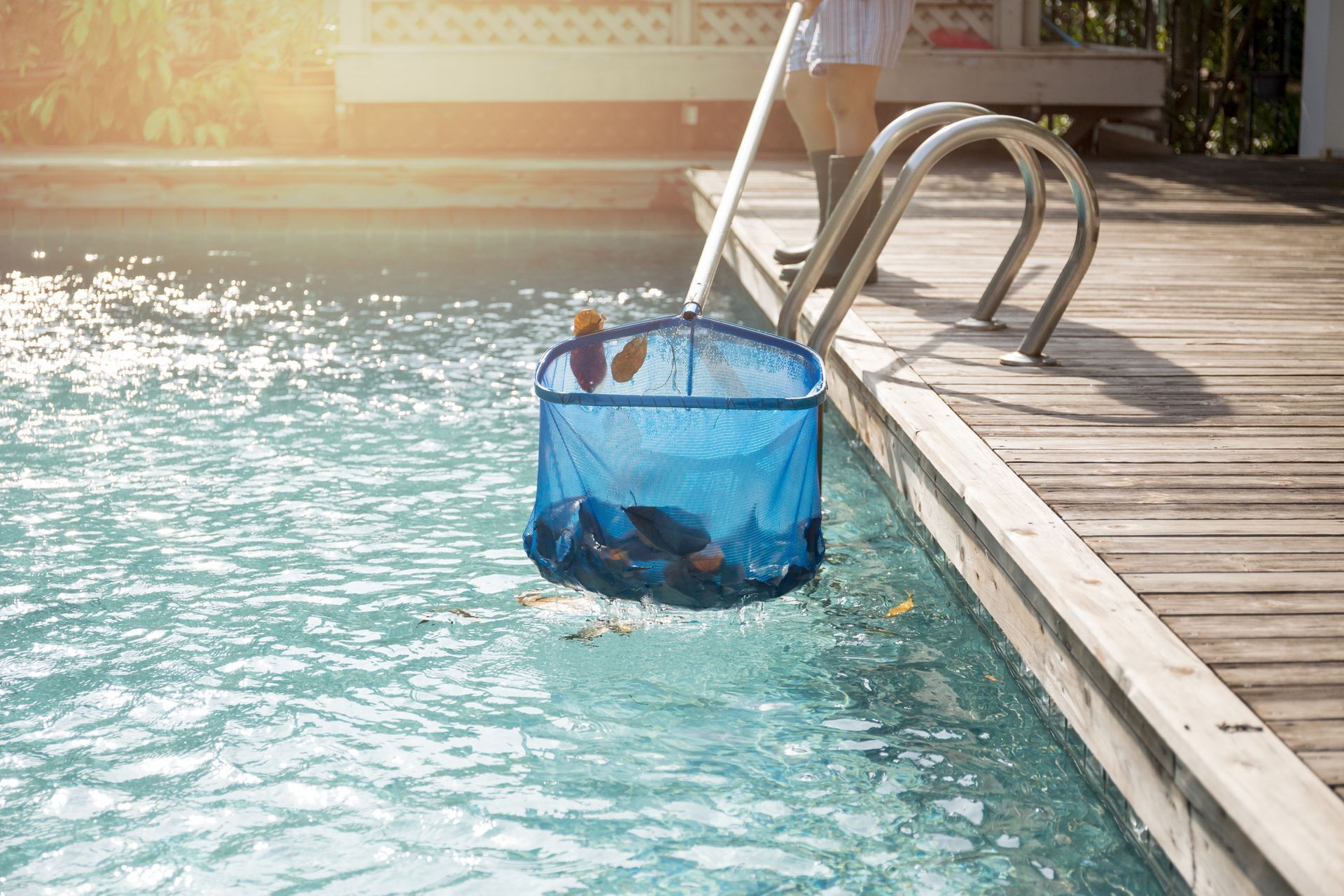
Pools in neighborhoods like Blue Valley, Leawood, and Mission Hills face added pressure from surrounding trees and landscaping. Leaves and pollen introduce nutrients into the water and put extra demand on your sanitizer, making consistent swimming pool maintenance essential.
Summer Chemical Check Calendar for Overland Park Pools
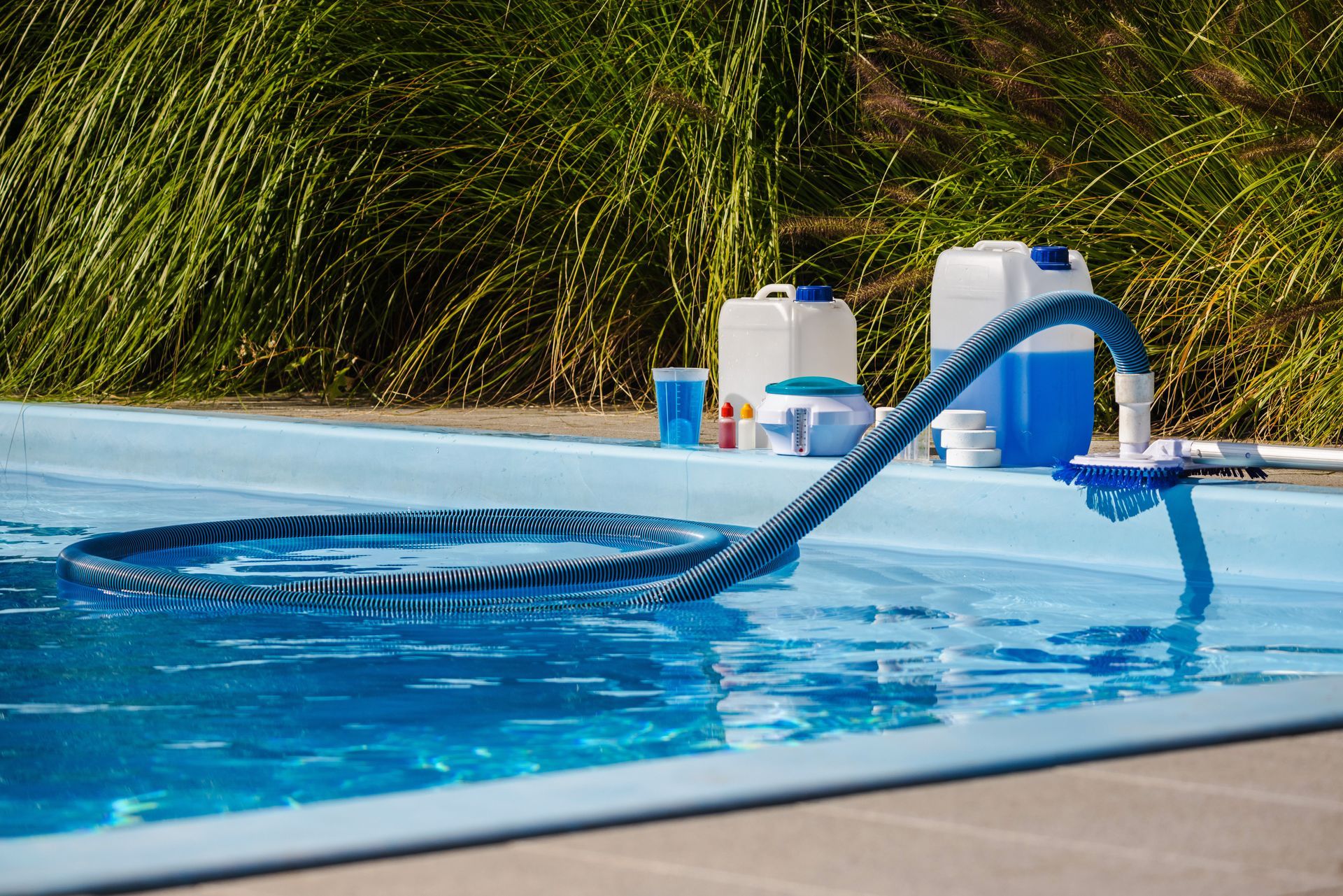
Consistent testing is the foundation of effective swimming pool maintenance in Overland Park, KS.
- June through August: Test free chlorine, pH, and alkalinity at least twice per week.
- After heavy rain: Retest immediately and shock if needed, as rainfall dilutes chemicals and introduces contaminants.
- Monthly: Check cyanuric acid levels since the stabilizer can deplete over the season.
- After heat waves: Inspect filter pressure and backwash if elevated.
- Service frequency: During peak summer, weekly professional visits are often more effective than biweekly, as chemistry can shift rapidly between appointments.
Should I Shock My Pool More Often in Summer?
Yes. High heat, heavier use, and intense sunlight deplete chlorine faster than in cooler months. A weekly shock treatment during June through August helps prevent algae and keeps water clear.
How Do I Know If My Pool pH Is Too High?
A pH above 7.8 is generally too high. Signs include cloudy water, eye irritation, and reduced chlorine effectiveness even when test strips show adequate levels. A drop test kit or digital tester can confirm readings.
Is Weekly or Biweekly Pool Service Better in Summer?
Weekly service is typically the better choice during Overland Park summers. Chemistry shifts faster in extreme heat, and catching an imbalance early costs far less than treating a full algae bloom or equipment issue.
Get Your Pool Summer-Ready With Professional Help
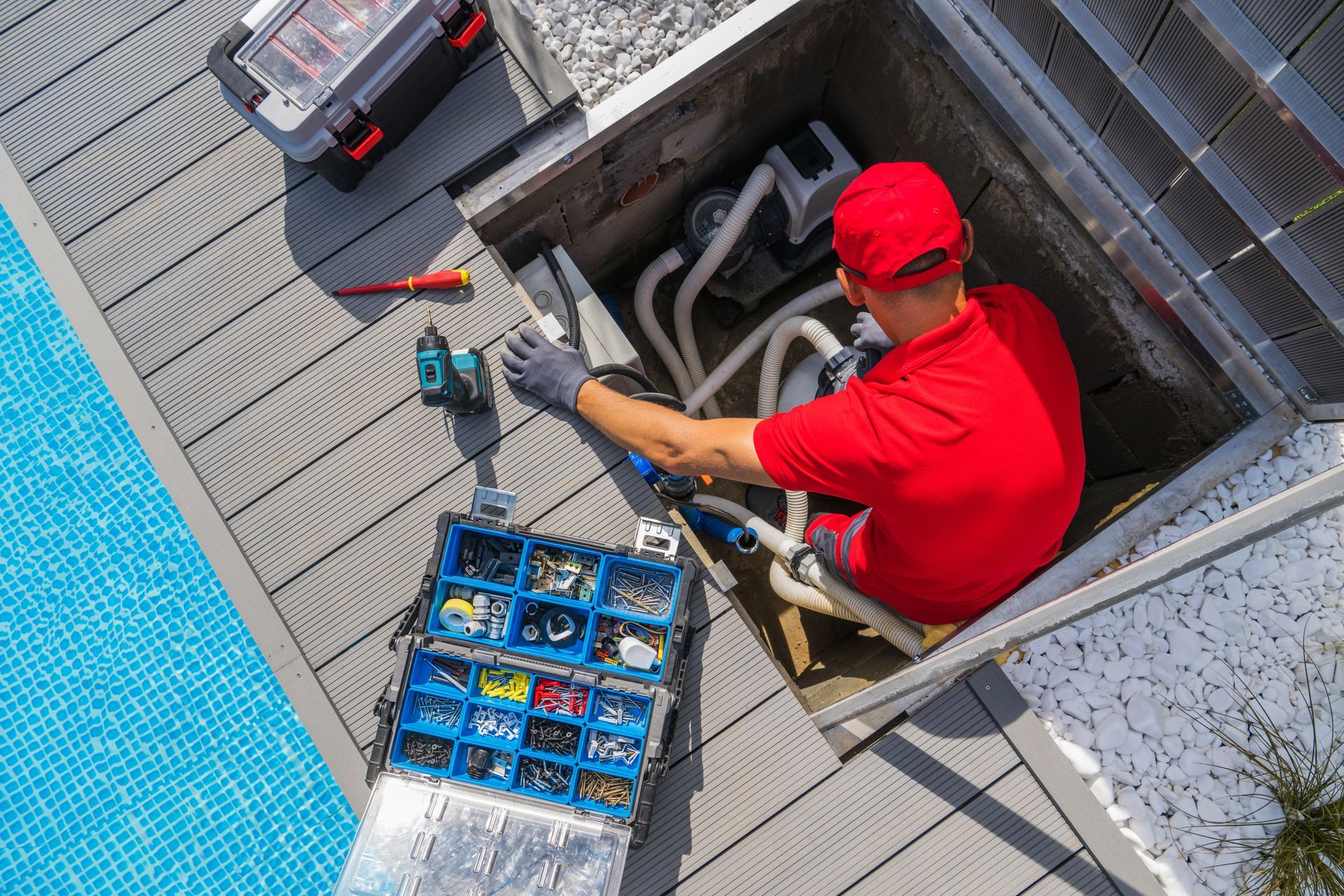
Banks Blue Valley Pool & Spa serves Overland Park, KS, and surrounding communities with scheduled pool care designed to keep water balanced through every heat wave and storm. Their team can schedule pool services for weekly or biweekly visits, and their pool maintenance page outlines everything included in a typical service visit.
To get started or ask questions, call
(913) 897-9290 or find them on Google at
Banks Blue Valley Pool & Spa.